
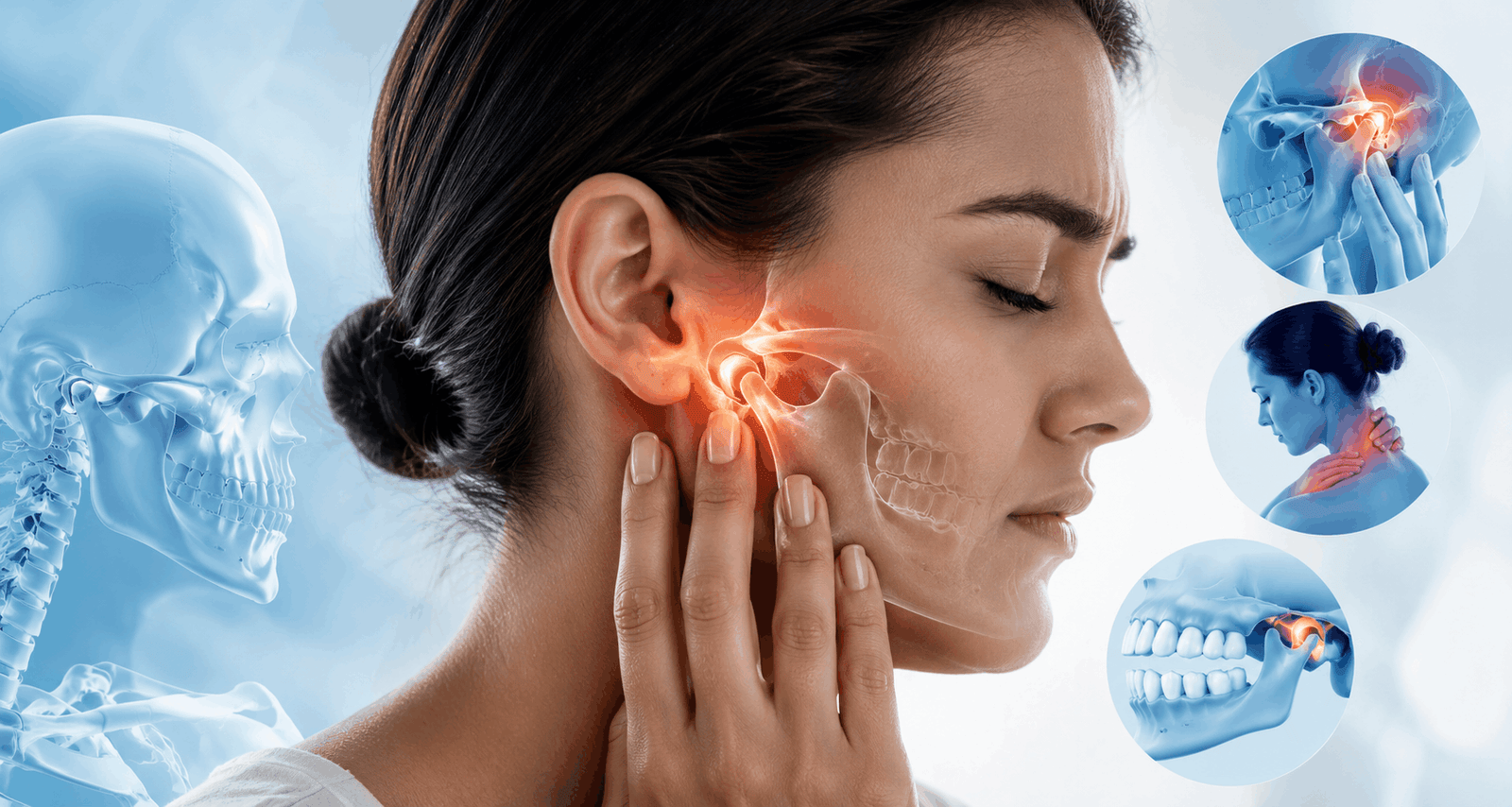
Is TMJ a Dental Problem or a Medical Condition? Understanding Who Should Treat It
Do you suffer from pain in your jaw while you eat, have popping noises when you open your mouth, or do you have frequent headaches starting from your jaw area? All of these signs are symptoms of TMJ disorder. It is a very common question among patients to find out whether they need to visit a dentist or a doctor.
The choice of treatment depends on various factors and is different for each individual; hence, it is important to understand the issue properly and consult a TMJ disorder treatment specialist.
What Is TMJ?
Temporomandibular joint disorders (TMDs) affect the joints that help with jaw movement. They can cause pain, clicking, headaches, and trouble chewing. TMD is usually caused in between the ages of 20 and 40. Timely care can make a huge difference in how you feel every day.
TMJ disorders affect the joints in your jaw and the muscles around them. The scientific term is temporomandibular joint dysfunction (TMD), but in layman's terms we call it TMJ.
You have two TMJs, one on each side of your face, near your ears. These joints help you with your daily jaw movements
TMD is common. It affects up to 12 million people in the U.S., mostly between the ages of 20 and 40. Females are twice as likely to have it.
Common Symptoms of TMJ
- Jaw pain, tenderness
- Clicking, popping, grinding sounds
- Difficulty opening/ closing the mouth
- Earaches or ringing
- Toothpain
- Shoulder or neck pain
Categorising TMJ Disorders
Once the cause of the disorder is determined, a patient’s case of TMJ can be classified as either a medical or dental problem. For example, TMJ can result from medical issues such as fibromyalgia, which can cause pain in various areas of the body (including the jaw). Arthritis is another condition that can lead to the development of TMJ.
That said, TMJ can just as easily be caused by dental issues, particularly when the catalyst is a problem stemming from the patient’s teeth. Bruxism, i.e teeth grinding, can also be a cause of the condition. When carrying out a consultation, dentists/ orthodontists perform an assessment of the teeth to look for signs of teeth grinding, such as cracks in the enamel. They will then suggest a treatment plan based on their research.
Is TMJ A Dental Problem?
TMJ is frequently associated with some sort of dental problem. Some of these include:
- Grinding of teeth, i.e., bruxism
- Jaw misalignment
- Tooth loss
- Malocclusion
These types of problems cause stress on the jaw joint.
Since orthodontists usually detect these sorts of conditions, they will often be able to help patients by treating
- Bite correction therapy
- Orthodontic advice
- Modifications of behaviors that stress the jaw joint
As TMJ frequently stems from bite or jaw conditions, dental treatment often proves quite important
Medical conditions that cause TMJ pain
- Fibromyalgia is a top contender for medically related TMJ pain. This condition causes widespread pain throughout the body as well as at several “trigger points,” one of which is commonly located in the jaw or upper neck area.
- Fibromyalgia can cause such symptoms in patients without preexisting dental conditions.
Medical approaches can include
- Anti-inflammatory medications
- Physical therapy
- Stress management techniques
- Muscle relaxation therapies
- Advanced imaging or specialist referrals
Treatment for TMJ disorder
The optimal treatment will depend upon the cause of the problem you are facing. For many people, a dentist who specializes in the treatment of TMJ disorder is the first place to seek help.
The use of braces, aligners, or other dental appliances is often used in orthodontic treatments to reform misaligned teeth and also improve the bite.
Patients must work closely with their orthodontists and TMJ specialists to address any concerns related to TMJ disorders following orthodontic treatment.
Conclusion
Can TMJ be considered a dental or medical problem? Dental problems may indeed lead to TMJ problems, but there are also several other symptoms associated with medical conditions such as arthritis, injury, and muscle problems. Therefore, getting the right diagnosis will help determine the exact treatment options.



0 Comments